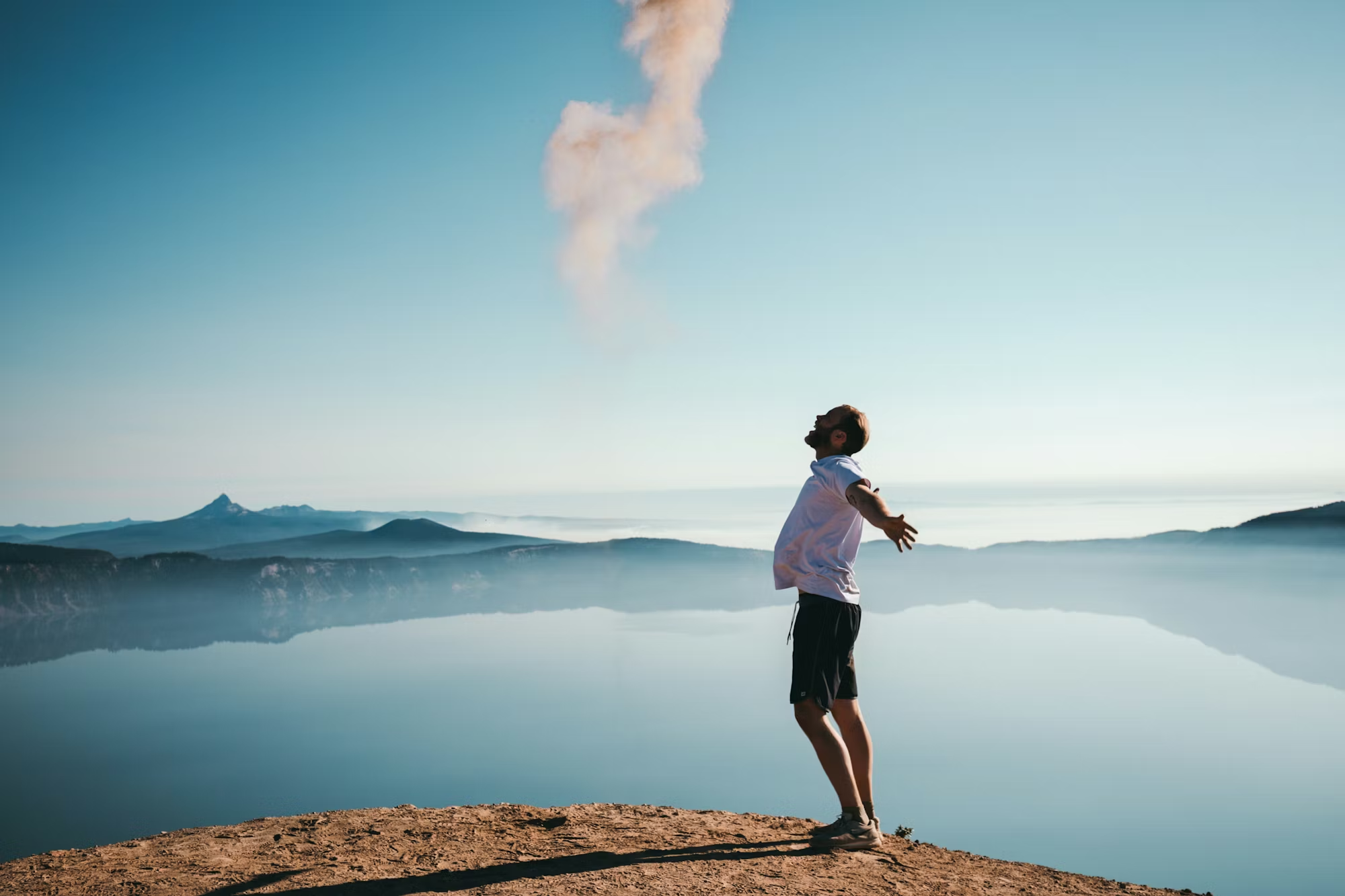
In today’s fast-paced digital world, the importance of spending time outdoors cannot be overstated. Engaging in outdoor activities offers a myriad of benefits that extend beyond physical health, significantly enhancing mental well-being. From hiking and biking to gardening and simply enjoying a walk in the park, outdoor experiences provide an opportunity to connect with nature, foster creativity, and promote emotional resilience. This article will delve into the numerous advantages of outdoor activities, encouraging readers to embrace the great outdoors for their mental health.
One of the most compelling reasons to engage in outdoor activities is the positive effect of nature on mental health. Studies have shown that spending time in natural environments can reduce symptoms of anxiety, depression, and stress. The sights, sounds, and smells of nature have a calming effect, allowing individuals to disconnect from the stresses of daily life and immerse themselves in a peaceful atmosphere. This immersion not only helps to alleviate negative emotions but also encourages a sense of mindfulness and presence.
Outdoor activities also promote physical health, which in turn contributes to improved mental well-being. Engaging in physical exercise releases endorphins, often referred to as the body’s natural mood lifters. Whether it’s a brisk walk, a bike ride, or a vigorous hike, physical activity in nature can boost energy levels and elevate mood. Regular exercise is known to enhance cognitive function, reduce fatigue, and improve sleep quality, all of which play a vital role in maintaining mental health.
Furthermore, outdoor activities foster social connections, which are crucial for mental well-being. Engaging in group activities, such as team sports, hiking clubs, or community gardening, encourages social interaction and builds a sense of community. These connections can combat feelings of loneliness and isolation, offering individuals a support system and a sense of belonging. Whether it’s sharing a trail with friends or collaborating on a garden project, outdoor activities provide the perfect setting for nurturing relationships and forging new friendships.
Exploring various outdoor activities can also stimulate creativity and inspire new ideas. Nature has a unique way of awakening the senses, often leading to increased inspiration and innovative thinking. Many artists, writers, and thinkers have found that spending time outdoors sparks their creativity, allowing them to break free from conventional thought patterns. A simple walk in the park or a quiet moment by the water can lead to breakthroughs and insights that may not have emerged in a traditional indoor setting.
In addition to enhancing creativity, outdoor activities can serve as a powerful tool for stress management. Engaging in activities such as yoga or meditation in a natural environment amplifies their calming effects. The combination of deep breathing, gentle movement, and the beauty of nature creates a holistic experience that can help to reduce stress and promote relaxation. Mindfulness practices conducted outdoors allow individuals to fully immerse themselves in the present moment, creating a sense of peace and clarity.
Gardening is another excellent outdoor activity that offers both physical and mental health benefits. The act of nurturing plants and watching them grow can provide a sense of purpose and accomplishment. Gardening allows individuals to engage with the earth, cultivating a connection to nature that can be profoundly grounding. Furthermore, the physical activity involved in gardening helps improve mood and reduce stress levels, making it a perfect blend of productivity and relaxation.
For those looking to escape the hustle and bustle of urban life, hiking is an ideal way to experience the beauty of nature while benefiting from physical exercise. Hiking allows individuals to explore scenic trails, breathe in fresh air, and enjoy the tranquility of natural surroundings. Whether it’s a challenging mountain trail or a leisurely stroll through a local park, hiking can rejuvenate the mind and body, leaving individuals feeling refreshed and invigorated.
Biking is another popular outdoor activity that promotes physical fitness and mental well-being. Riding a bike allows individuals to explore their surroundings while enjoying the wind on their face and the sun on their skin. Cycling not only enhances cardiovascular health but also encourages a sense of adventure and freedom. Whether biking alone or with friends, this activity fosters a sense of joy and exploration that can significantly boost mental health.
While many outdoor activities promote physical health and social connections, they also provide opportunities for self-reflection and personal growth. Time spent alone in nature can lead to introspection, allowing individuals to process their thoughts and feelings. The solitude of a quiet forest or a serene lake can provide the perfect backdrop for self-discovery, helping individuals gain clarity and perspective on their lives.
Moreover, outdoor activities can be particularly beneficial for children, fostering healthy habits from a young age. Encouraging kids to play outside, explore nature, and engage in physical activities can instill a lifelong appreciation for the outdoors. The benefits of outdoor play extend beyond physical fitness, promoting cognitive development, creativity, and social skills. Children who spend time outside often exhibit improved focus, emotional regulation, and overall happiness.
As we navigate the challenges of modern life, it is essential to prioritize outdoor activities as a means of enhancing mental well-being. By consciously setting aside time to engage with nature, we can create a balance that promotes both physical and mental health. Whether through hiking, gardening, biking, or simply enjoying a moment of quiet in a local park, the benefits of outdoor activities are numerous and profound.
In conclusion, embracing outdoor activities is a powerful way to nurture mental well-being. The connection to nature, the benefits of physical exercise, the fostering of social connections, and the opportunities for creativity and self-reflection all contribute to a healthier mindset. By making outdoor activities a regular part of our lives, we can cultivate resilience, reduce stress, and enhance our overall quality of life. So, lace up those hiking boots, grab a bike, or simply take a stroll in your local park—your mind and body will thank you for it.